

Haze & Volcanic Ash: Can Your Air Conditioner Help Improve Indoor Air Quality?

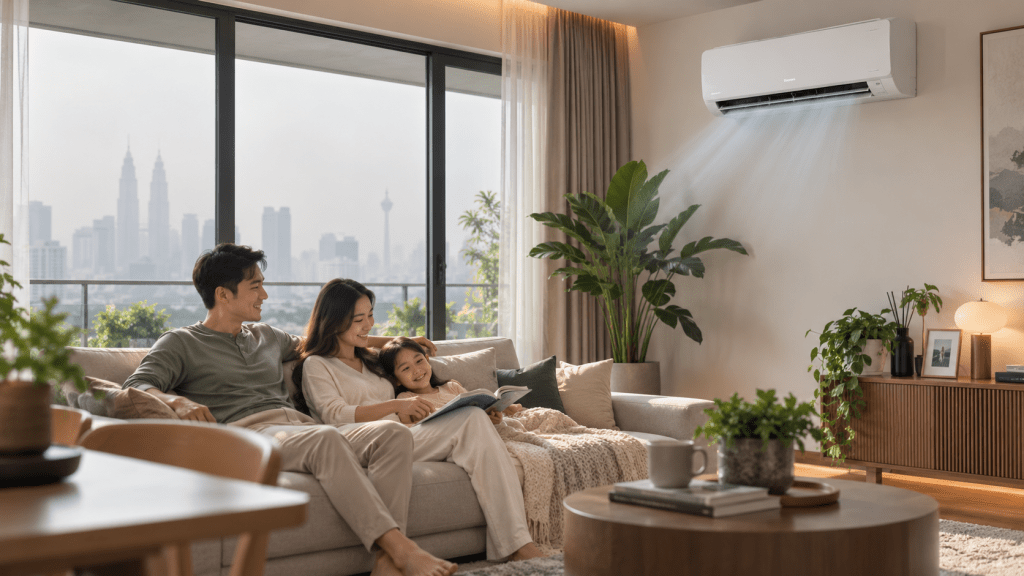
When haze or airborne dust affects the air outside, staying indoors can feel like the safest and most comfortable option. But closing your windows does not automatically mean the air inside your home is clean.
Outdoor pollution can still enter through doors, windows and small gaps, while cooking, dust, cleaning products and other everyday activities can contribute to indoor air pollution. This raises an important question: can an air conditioner help improve indoor air quality?
The answer is yes—but with limitations. An air conditioner can support a cleaner and more comfortable indoor environment, particularly when it includes additional filtration or air-cleaning technology. However, it should not automatically be considered a replacement for a dedicated air purifier.
How Does Haze Affect Indoor Air Quality?
Haze contains suspended particulate matter and other pollutants that can affect air quality. Malaysia’s Ministry of Health advises people to reduce outdoor exposure during haze, close windows and doors where appropriate, maintain air-conditioning systems properly and consider using an air purifier to reduce airborne contaminants indoors.
Particles from outdoor pollution can still find their way into the home, particularly when doors or windows are frequently opened.
Indoor pollution can also originate from within your home. According to the U.S. Environmental Protection Agency, indoor air can contain particulate matter, pollen, mould, formaldehyde and other pollutants originating from both outdoor and indoor sources.
This makes managing indoor air especially important when outdoor air quality deteriorates.
Can an Air Conditioner for Haze Actually Help?
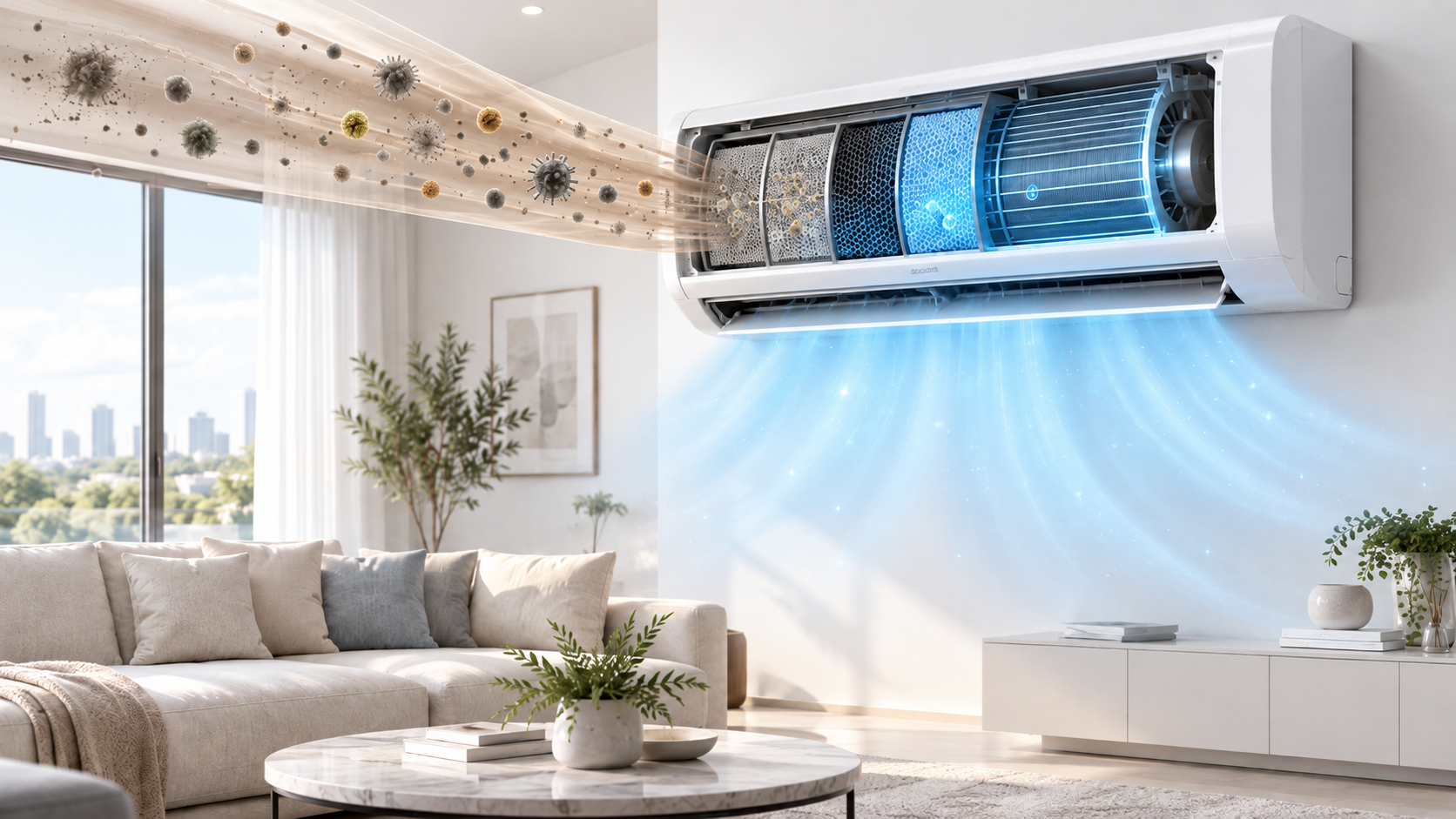
An air conditioner for haze can contribute to a more comfortable indoor environment by allowing you to keep windows closed while maintaining a suitable room temperature.
Malaysia’s Ministry of Health specifically recommends turning on air conditioning where available during haze conditions while keeping openings that allow polluted outdoor air to enter under control. It also stresses regular air-conditioner cleaning and servicing.
However, not every air conditioner provides the same level of filtration.
A conventional air conditioner is primarily designed for temperature control. Models equipped with additional filters, ion technology or air-cleaning functions can provide extra support for indoor air management.
For fine airborne particles, however, a dedicated air purifier remains useful. The EPA notes that portable air cleaners and HVAC filtration can help reduce indoor pollutants but cannot eliminate every contaminant.
Practical Tip
During periods of poor outdoor air quality:
- Keep windows and doors closed as much as practical.
- Run your air conditioner to maintain indoor comfort.
- Clean air-conditioner filters according to the manufacturer’s instructions.
- Consider using a suitable air purifier alongside your air conditioner.
- Minimise indoor sources of smoke and airborne particles.
Air Conditioner With Air Purifier Features: What Should You Look For?
If indoor air quality is one of your priorities, look beyond cooling capacity when choosing your next air conditioner.
An air conditioner with air purifier or air-cleaning features may incorporate specialised filters, ion-generation technologies or self-cleaning functions designed to complement normal cooling.
Two options available from Senheng illustrate these features.
TCL VoxIN: Cleaner Airflow with 6-in-1 Filtration
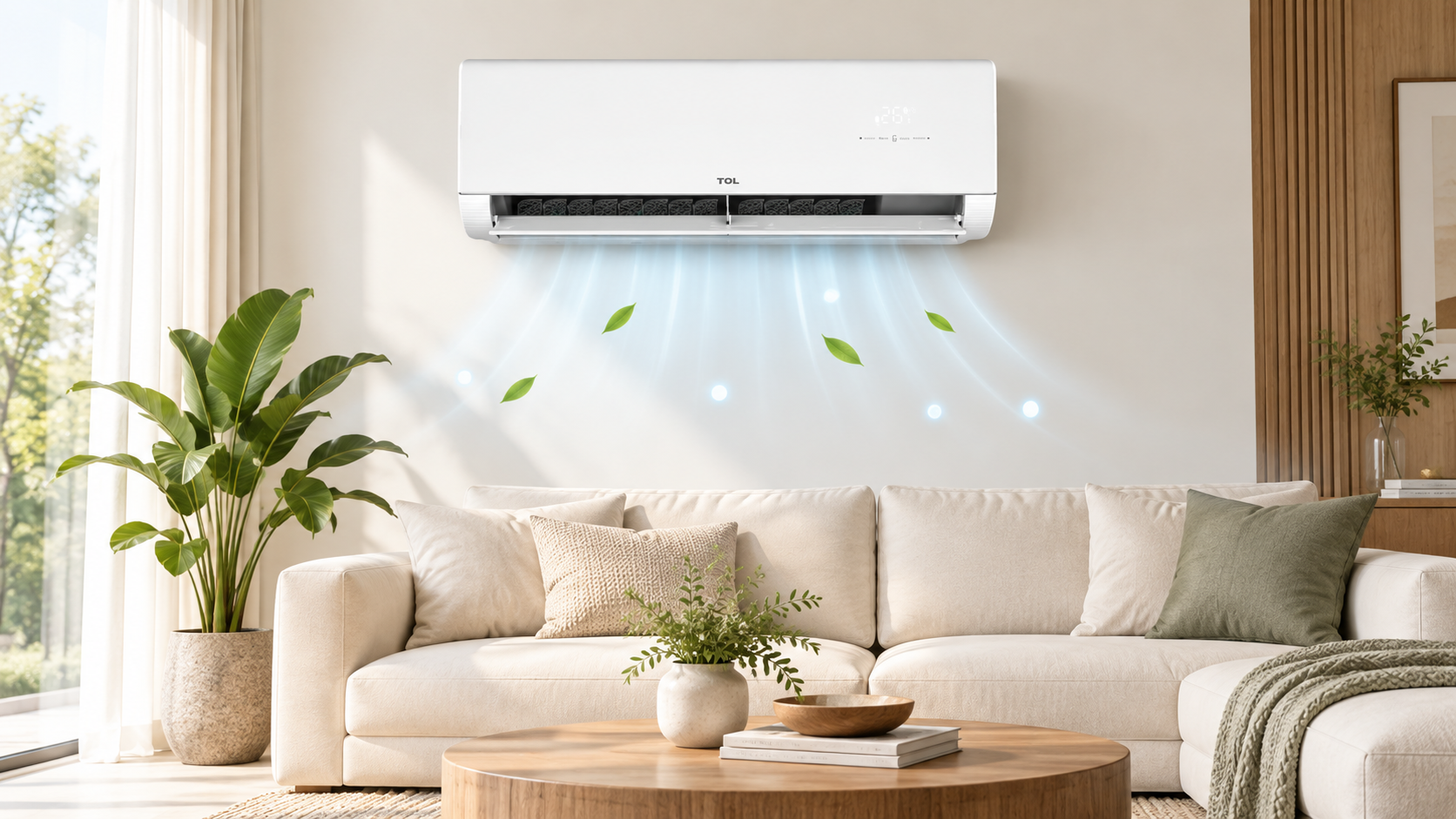
The TCL VoxIN Inverter Air Conditioner features a 6-in-1 filter system with silver-ion, catechin, photocatalyst, anti-dust static, active-carbon and vitamin-C filters to support cleaner airflow.
Its 56°C self-cleaning function helps maintain internal cleanliness, while Gentle Breeze technology provides softer cooling. The series is available in 1.0HP, 1.5HP, 2.0HP and 2.5HP to suit different room sizes.
TCL Gentle Cool Pro: Comfortable Cooling with Easy Maintenance
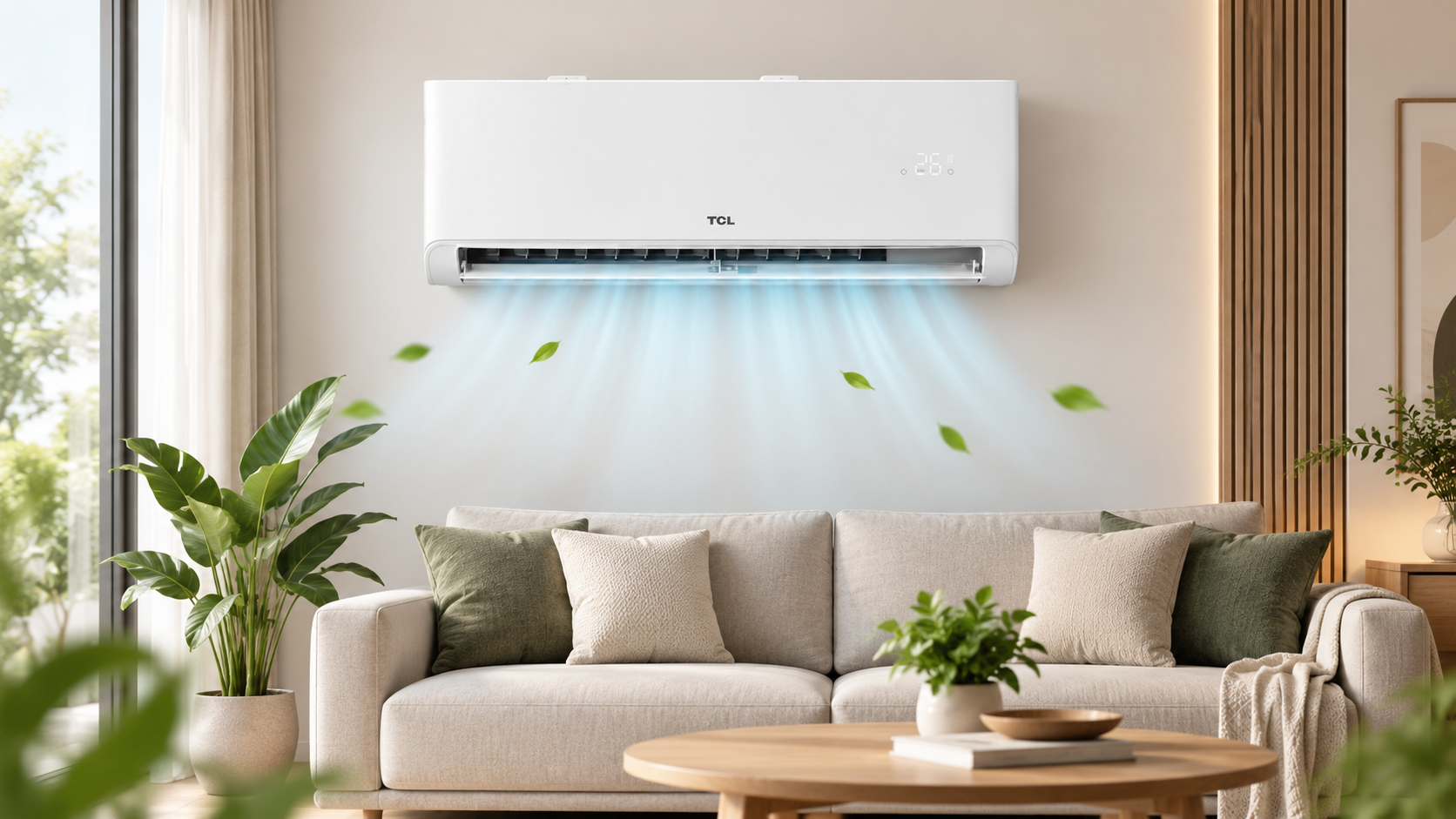
The TCL Gentle Cool Pro Inverter Air Conditioner features a 4-step self-cleaning system and Smart Filter Blockage Reminder to support easier maintenance.
Its Gentle Breeze technology distributes cool air through micro-holes for softer airflow without strong direct drafts. Available in 1.0HP, 1.5HP, 2.0HP and 2.5HP, it offers flexible cooling options for different room sizes.
How to Choose the Best Air Conditioner for Home Use
The best air conditioner for home use is not necessarily the model with the highest horsepower. For first-time homeowners, choosing the correct combination of cooling capacity, efficiency and useful features is more important.
Consider these factors before purchasing:
- Choose the correct horsepower
Match the air conditioner’s capacity to the size and heat load of your room. An undersized unit may run continuously, while an unnecessarily large unit may cost more than required.
- Consider inverter technology
An inverter system adjusts compressor operation according to cooling demand rather than repeatedly operating at full power. This can provide more consistent temperature control and improved energy efficiency under appropriate operating conditions.
- Look for useful filtration features
If reducing airborne contaminants is important to you, compare specialised filters and air-cleaning technologies instead of focusing exclusively on cooling specifications.
- Check energy efficiency
For an appliance that may operate for several hours every day, energy efficiency should be an important part of the buying decision.
- Think about maintenance
Even advanced filtration features require proper maintenance. Dirty filters can restrict airflow and reduce system performance, so follow the manufacturer’s recommended cleaning and servicing schedule.
Air Conditioner or Air Purifier: Which Does Your Home Need?
For most households, the two appliances perform different primary functions.
An air conditioner is designed mainly to cool and manage indoor comfort. An air purifier is specifically designed to filter airborne contaminants within a room.
If haze, dust or other airborne particles are a major concern, using appropriate air filtration together with your air conditioner can offer a more comprehensive approach. Malaysia’s Ministry of Health likewise recommends air purifiers as a way to help keep particulate levels lower during haze conditions.
Create a More Comfortable Home with Senheng
Choosing the right air conditioner is about more than escaping Malaysia’s heat. With the right filtration, energy-saving functions and proper maintenance, your cooling system can also contribute to a more comfortable indoor environment.
Explore the TCL VoxIN Inverter Air Conditioner or TCL Gentle Cool Pro Inverter Air Conditioner at Senheng and compare the features that suit your room and lifestyle.
Eligible purchases may also offer benefits such as 0% instalment options and S-Coin rewards, subject to the latest product and promotion terms on Senheng.
When haze or airborne pollution returns, a combination of sensible pollution-control habits, properly maintained air conditioning and dedicated air filtration can help you create a cleaner and more comfortable place to come home to.
Frequently Asked Questions About Haze and Indoor Air Quality
1. How can I reduce haze inside my house?
Keep windows and doors closed, reduce indoor pollution sources, and use a suitable air purifier. Regular cleaning and maintaining air-conditioning filters can also help improve indoor air quality.
2. Does an air conditioner remove haze?
Air conditioners primarily provide cooling and should not replace dedicated air purifiers. However, they help maintain comfortable indoor temperatures while keeping windows and doors closed during haze conditions.
3. Is a HEPA air purifier effective during haze?
Yes. A HEPA air purifier can help capture fine airborne particles, including those associated with haze. Choose a purifier suitable for your room size and maintain its filters regularly.
4. How can I improve indoor air quality naturally?
Reduce indoor smoke, clean surfaces regularly, minimise aerosol use, and prevent outdoor pollutants from entering your home. These simple habits can help maintain a cleaner indoor environment.
5. How often should I clean my air-conditioner filters during haze?
Check filters more frequently during prolonged haze conditions, as dust may accumulate faster. Follow the manufacturer’s cleaning recommendations to maintain proper airflow and cooling performance.
6. Is it better to use an air conditioner and air purifier together?
Both appliances serve different purposes. An air conditioner maintains comfortable temperatures, while an air purifier helps remove airborne particles. Using them together can support a more comfortable indoor environment during haze.