

Why Choosing the Right Water Heater Matters

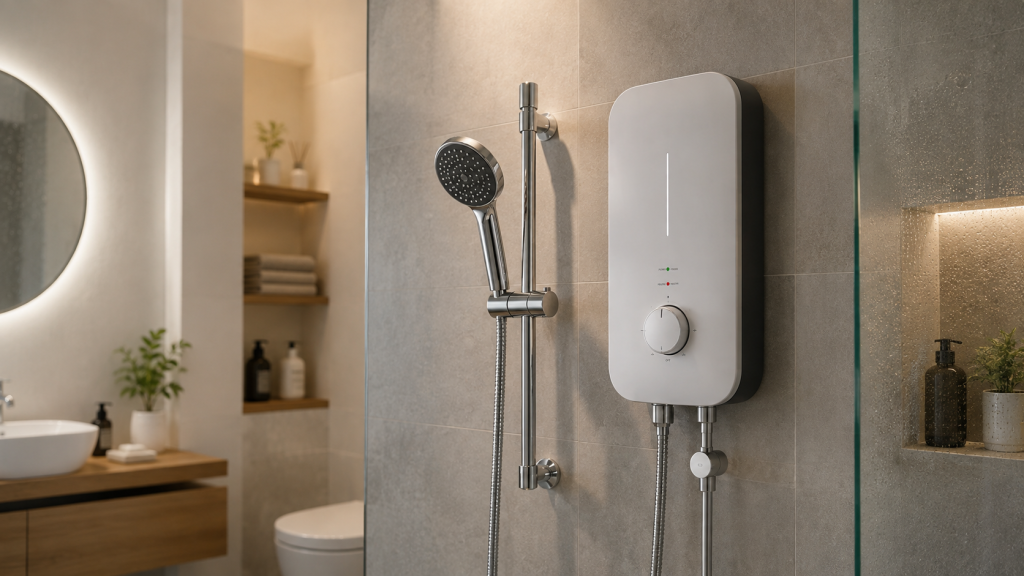
Choosing the right water heater means matching the unit to your home's water pressure, shower preference, electrical setup and safety requirements. A pump model can help when water pressure is weak, while a non-pump model may be sufficient when existing pressure is already strong.
More importantly, safety and proper installation should be considered together with price, design and heating performance.
Why Your Choice of Water Heater Matters
A hot shower may seem simple—turn on the water, adjust the temperature and you're ready to go. But behind that daily routine is a water heater that needs to work well with your home's plumbing, water pressure and electrical system.
Choosing the right water heater can make a noticeable difference to your shower experience. The wrong choice may leave you with weak water flow, an unsuitable shower setup or features you paid for but do not actually need.
From pump and non-pump models to rain showers and different heating capacities, this guide explains what Malaysian households should consider before buying their next water heater.
Why Choosing the Right Water Heater Is Important
There is no single water heater that is automatically best for every home.
A condominium bathroom, for example, may experience very different water pressure from a landed home. Even two bathrooms within the same property can sometimes have different water-flow conditions.
When choosing a water heater, consider five main areas:
Water pressure: Determines whether additional pumping assistance may be useful.
Heating performance: Determines how effectively the heater can warm incoming water.
Shower preference: Hand showers and rain showers may have different water-flow requirements.
Safety: Electrical protection and correct installation are critical.
Installation requirements: Your electrical wiring, plumbing and available bathroom space must support the unit.
Senheng currently offers water heaters across pump, non-pump and rain-shower configurations, making these key starting points when comparing models.
What Types of Water Heaters Are Available?
Before comparing brands or designs, understand the main types of water heaters you may encounter.
Instant Water Heater
An instant water heater heats water as it flows through the unit instead of storing a large volume of hot water in advance.
Instant heaters are commonly used for individual bathrooms because they are compact and provide hot water on demand.
They are available in several configurations, including:
Pump models
Non-pump models
Rain shower models
Pump Water Heater
A pump water heater includes an integrated pump designed to assist water flow.
It can be useful when the incoming water pressure is low or inconsistent. Senheng's current pump category includes models from brands such as Panasonic, Toshiba, Alpha, Haier, Midea and Rubine.
Recommended Pump Water Heater
Rubine 4.25kW Water Heater DC Pump
Toshiba SensTemp™ Instant Electric Water Heater (With Pump)
Non-Pump Water Heater
A non-pump water heater relies on the property's existing water pressure.
If your bathroom already has sufficient water flow, you may not need to pay extra for a built-in pump. Senheng currently offers dedicated non-pump instant shower options for this type of requirement.
Recommended Non-Pump Water Heater
Panasonic 3.6kW U Series Home Shower
Toshiba 3800W SensTemp with Non-Pump Instant Electric Water Heater
Rain Shower Water Heater
A rain shower water heater uses a larger shower head to distribute water over a wider area.
Because of the larger outlet, good water flow becomes particularly important. Some rain-shower water heaters therefore include integrated pumps to support the desired shower experience.
Recommended Shower Water Heater
Rubine 4.25Kw DC Pump with Rainshower RUB-RWHSP241DMRCB
Alpha Instant Shower Heater WES7 Digital Rain Shower Gold with 4.5kW DC Pump
Pump vs Non-Pump Water Heater: What's the Difference?
One of the most common decisions when buying an instant water heater is whether you need a pump.
Feature | Pump Water Heater | Non-Pump Water Heater |
Water flow | Pump assists water flow | Relies on existing supply |
Best suited for | Weaker or inconsistent pressure | Already sufficient pressure |
Shower experience | Can provide stronger flow | Depends on incoming pressure |
Pump noise | Depends on pump design | No pump noise |
Purchase price | Usually higher | Usually more affordable |
Installation | Additional pump system built in | Simpler configuration |
Best consideration | Low-pressure situations | Good existing water pressure |
A pump model should not automatically be considered "better". The correct choice depends on the water pressure available at the bathroom where the heater will actually be installed.
Senheng's own water-heater guidance similarly recommends considering water pressure first when deciding between pump and non-pump options.
Browse Pump Water Heaters at Senheng
Browse Non-Pump Water Heaters at Senheng
How to Choose the Right Water Heater for Your Home
Rather than choosing based only on brand or price, follow these steps.
Step 1: Check Your Water Pressure
Start by turning on the shower and observing the existing water flow.
Ask yourself:
Is the water flow strong and consistent?
Does the pressure become weaker during peak usage?
Is the bathroom located on an upper floor?
Does your property already use a water pump?
Are you planning to use a larger rain shower?
A pump water heater may be useful when water pressure is weak, while a non-pump model may be sufficient when pressure is already good.
Do not assume that every condominium automatically requires a pump or every landed home does not. Actual plumbing conditions vary from property to property.
Step 2: Decide What Shower Experience You Want
The shower head can influence which water heater setup makes sense.
Rain Shower
A rain shower uses a larger shower head to distribute water over a wider area.
Because of the larger outlet, good water flow becomes particularly important. Some rain-shower water heaters therefore include integrated pumps to support the desired shower experience.
Senheng currently offers dedicated rain-shower water heater models, including pump-equipped options from Panasonic, Rubine, Toshiba and Alpha.
Explore Rain Shower Water Heaters at Senheng
Step 3: Check the Heating Power
You may notice figures such as 3.6kW, 3.8kW, 4.25kW or 4.5kW when comparing instant water heaters.
This number represents the heater's rated electrical power.
Higher heating power can provide more heating capability, but that does not automatically mean you should choose the highest wattage available.
The actual shower temperature also depends on:
Incoming water temperature
Water-flow rate
Temperature setting
Heater design
Electrical supply
Senheng's current range, for example, includes 3.6kW shower heaters as well as pump and rain-shower models rated at 4.25kW and 4.5kW.
Always check the electrical requirements specified for the individual model before installation.
Step 4: Pay Attention to Safety Features
A water heater operates where water and electricity are in close proximity, making proper electrical protection particularly important.
Features to look for may include:
Residual-current or electrical leakage protection
Thermal cut-off protection
Overheat protection
Flow sensors
Proper earthing provisions
Suitable water/splash protection
Temperature control
However, built-in safety features do not replace correct installation.
Malaysia's Energy Commission guideline illustrates dedicated residual-current protection for water heaters in wet areas and covers requirements relating to electrical wiring, earthing, circuit protection and safe installation.
Step 5: Check Your Bathroom and Electrical Setup
Before ordering, confirm that the heater is suitable for the intended installation location.
Check:
Available wall space
Water inlet location
Electrical connection
Shower position
Existing plumbing
Water pressure
Required electrical circuit
Manufacturer's installation specifications
This is particularly important when replacing an older heater because the existing installation may not automatically meet the requirements of the new model.
Which Water Heater Is Suitable for Your Home?
Use this table as a general starting point.
Situation | Water Heater to Consider | Reason |
Weak water pressure | Pump water heater | Pump can assist water flow |
Strong existing water pressure | Non-pump water heater | Additional pump may not be needed |
Small bathroom | Instant water heater | Compact design |
Wants rain-shower experience | Rain shower + suitable pump | Supports larger shower outlet |
Secondary bathroom | Basic instant heater | Straightforward daily use |
Wants quieter pump operation | Compare DC pump models | Selected models focus on quieter pump designs |
Premium bathroom upgrade | Rain shower / premium pump model | Greater focus on shower experience |
Important: These recommendations are general guidance only. Actual suitability depends on the property's water pressure, plumbing and electrical installation.
Further Reading
Want to learn more before choosing your next water heater?
Conclusion: Find the Right Water Heater for Your Home
Choosing the right water heater is about more than getting hot water. Water pressure, pump type, heating performance, shower preference, safety and proper installation should all be considered together.
Start by checking your home's water pressure. From there, decide whether you need a pump or non-pump model, choose your preferred shower setup and compare the safety and heating features that matter most to your household.
Ready to upgrade your shower? Browse Water Heaters at Senheng and compare pump, non-pump and rain-shower options for your home.